
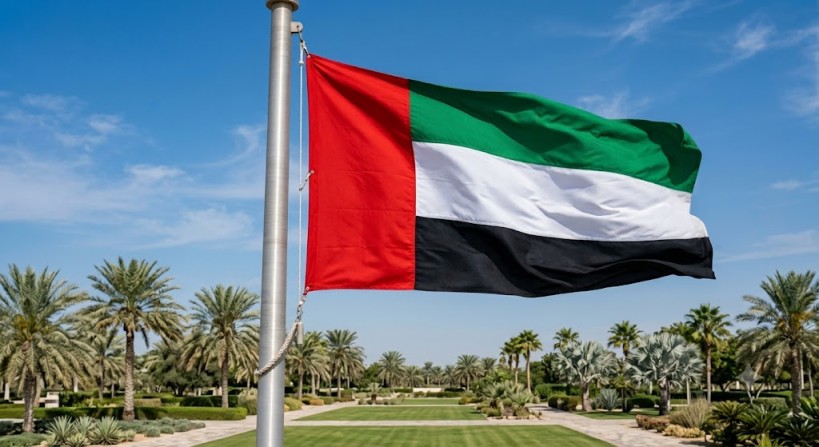
The United Arab Emirates has removed its travel ban on Lebanon, enabling Emirati citizens to visit the country once more after restrictions were imposed due to regional security concerns. The UAE’s Ministry of Foreign Affairs has stipulated that citizens must register via the Twajudi emergency assistance service prior to traveling. This step is mandatory, as Emiratis will not be allowed to exit through UAE border points until the registration is completed.
The travel restrictions were initially put in place amid escalating regional tensions, impacting travel to Lebanon and other nations as well. During the ban, Emirati citizens residing in Lebanon were advised to return home and contact UAE authorities if they needed assistance. The lifting of the ban marks a significant shift in policy, signaling improved conditions for travel and diplomacy.
Lebanese Prime Minister Nawaf Salam has expressed his approval of the UAE’s decision, describing it as a testament to the robust relationship between the two countries. Salam suggested that the move could enhance cooperation and strengthen connections between the people of both nations. The decision appears to be a product of recent dialogues between UAE and Lebanese leaders aimed at enhancing bilateral relations and fostering regional stability.
These discussions underscore efforts by UAE President Sheikh Mohamed and Lebanese President Joseph Aoun to bolster ties and support peace initiatives. Their dialogue has focused on security cooperation and the broader goal of strengthening bilateral relations. Such diplomatic engagements are part of a broader regional context, highlighting the importance of collaboration in addressing security challenges.
The timing of the UAE’s decision coincides with Lebanon and Israel’s recent signing of a framework agreement designed to pave a path toward peace. This agreement has been welcomed by regional partners who have praised the diplomatic endeavors to support stability in the region. The UAE’s lift of the travel ban on Lebanon reflects a broader commitment to peace and cooperation, emphasizing the importance of diplomatic ties in promoting regional harmony.