
Behind the strategic analysis, the financial calculations, and the political post-mortems of America’s failure to adopt Ukraine’s drone defense offer lies a simpler and more painful reality: seven American service members are dead who might not be. They were killed by Iranian Shahed drones — the exact weapons Ukraine had warned about, offered to help defeat, and developed proven systems to intercept. Their deaths are the human cost of a decision made in Washington last August.
Ukraine’s counter-Shahed capabilities are designed to prevent exactly this kind of loss. The interceptor systems Kyiv developed through years of fighting Russian-deployed Iranian drones are cheap, effective, and specifically calibrated to defeat Shahed-type weapons before they reach their targets. The proposal to extend these capabilities to West Asia was an offer to protect the soldiers who are now dead.
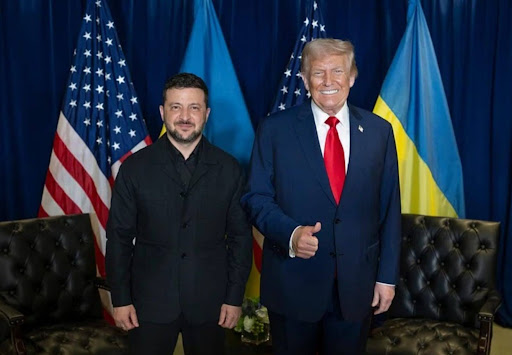
Zelensky presented this proposal personally to Trump, backed by detailed briefing materials and explicit warnings about Iran’s advancing drone program. The proposal was not abstract — it named specific locations, recommended specific infrastructure, and offered specific technology. It was a concrete offer to protect American lives.
The administration’s failure to follow through on Trump’s instruction to pursue the proposal is the decision that the seven deaths will be attached to in history. Whether driven by political skepticism, bureaucratic dysfunction, or simple negligence, the outcome was that American soldiers entered a drone-heavy conflict without the defenses that Ukraine had offered and Washington had declined.
Ukraine is now in Jordan and across the Gulf, doing the work it proposed to do. The seven names are part of the permanent record of this conflict. So is the August briefing that could have changed their fate. Both deserve to be remembered.