
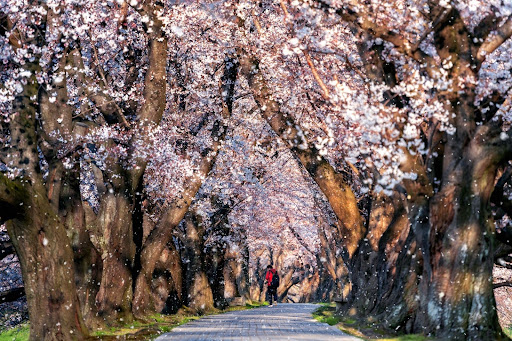
The growing popularity of cherry and fruit blossom festivals is creating a new economic pillar for India’s hill states. What was once a local occurrence is now a major draw for domestic tourists, leading to increased revenue for airlines, hotels, and local businesses. This “blossom economy” is proving that environmental beauty can be a powerful driver of regional growth.
In states like Himachal Pradesh and Uttarakhand, the bloom season bridges the gap between the winter ski season and the summer trekking season. This helps create a more consistent year-round income for those working in the tourism industry. Small villages that were previously overlooked are now finding themselves on the map thanks to their fruit orchards.
The specialized nature of “bloom chasing” also encourages longer stays and more localized spending. Travelers are often willing to stay in remote homestays for several days to ensure they catch the peak flowering window. This supports a more sustainable form of tourism that benefits rural communities directly rather than just large hotel chains.
Beyond direct tourism, the festivals often feature local crafts, organic produce, and traditional music, providing a platform for regional artisans. In Ladakh, the apricot blossom festival is a prime example of how agriculture and tourism can work together to promote organic products. This synergy helps diversify the income of mountain families.
As these festivals continue to scale, there is an opportunity to develop better infrastructure and transport links to these remote areas. Investing in “floral tourism” not only boosts the economy but also encourages the preservation of the very trees that attract visitors. It is a cycle of growth that benefits both people and the planet.