
A startling health revelation has emerged from recent scientific investigations into metabolic diseases. Research published in early February indicates that metabolic dysfunction drives liver fat accumulation in approximately 40% of adults. This widespread condition, stemming primarily from obesity and diabetes, often progresses silently until advanced stages, making preventive and therapeutic dietary approaches increasingly vital.
The progression of fatty liver represents a modifiable health crisis with serious potential consequences. Initially, fat accumulates without obvious symptoms, triggering inflammatory pathways that damage liver tissue. Over time, repeated inflammatory cycles lead to structural changes and functional decline. Without nutritional intervention, the condition can advance to permanent scarring and life-threatening complications that dramatically impact quality of life.
Drawing on expertise in public health nutrition and diabetes education, one specialist has outlined five foods with scientifically validated liver-protective and healing properties. These recommendations reflect understanding of how specific nutrients and compounds interact with liver cells at fundamental levels. Each food provides unique benefits through anti-inflammatory, antioxidant, or regenerative mechanisms.
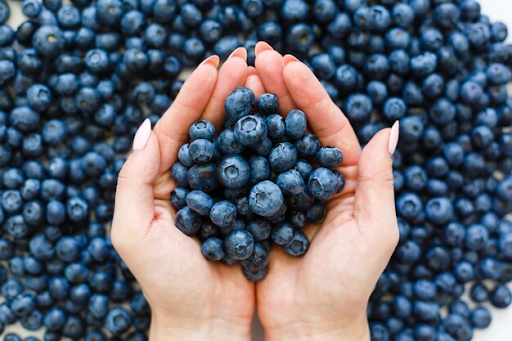
Among the highlighted foods, several demonstrate particularly powerful effects on liver health. Certain caffeinated beverages actively interfere with disease progression through multiple documented pathways. Deeply pigmented fruits contain specialized compounds that reduce inflammatory responses specifically within liver tissue. Traditional remedies deliver concentrated antioxidants that combat oxidative damage, while nutrient-dense foods enhance the liver’s natural capacity for cellular regeneration and repair.
Adopting these recommendations doesn’t demand complicated protocols or expensive shopping. The focus remains on consistent, regular inclusion of these beneficial foods through simple, sustainable modifications. Whether selecting specific morning beverages, adding particular fruits to daily meals, or incorporating certain traditional spices into cooking, these manageable adjustments create meaningful improvements in liver health when maintained over time as part of balanced lifestyle practices.